It begins with the gasp-inducing story of how the original seven-storey building acquired by the property was literally cut to create concave exterior. The effect gave the building striking “feminine curves” and an emboldened geometry that seem to fit with the gentrified Nana.
Dramatic architecture aside, this is just the beginning of many other surprises for those expecting more of the same Hyatt experience.
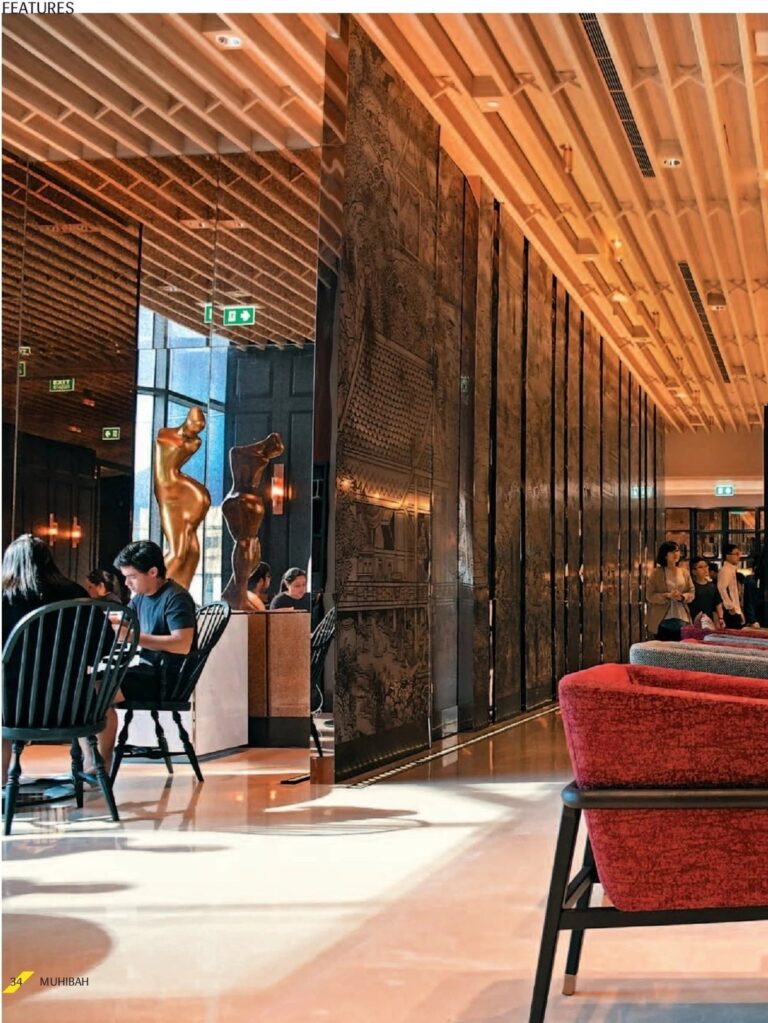
Inside, the living-room inspired lobby continues the trend of turning space to multi-function. Broken up into three different zones, it features minimalist design check-in counter, two seating areas and bar/ café. Irresistible curved back chairs spot colourful throw cushions amid firm, PIA, further evoke the warmth of local Thai home through curating artefacts, books and art pieces that further delivered taste of Thai culture. Wooden panels with traditional Thai detailing pay homage to the Thai people’s skilled artistry in carving and basketry. Great wifi and plenty of outlets further turn this area into terrific place to network and
socialise. Plus, an open, co-working its teak table carved out of
space extends just beyond the lobby; single block of wood striking feature.
With this being Hyatt, rooms are tasteful and polished, with bathtub in every room category. And, chasing after technology and sustainable strategies, the hotel also brings an edgier, 21st century vibe to the rooms.
Automation is integrated to deliver superior guest experience with
Power shuts down when the room is unoccupied, but sets the lights and air condition back to guests’ original setting once they return to the room.
ensures everyone gets good slumber.
The desire to maintain Nana’s footprint and the local legacy was clearly evident at the Market Café, the hotel’s restaurant. Enhancing the dining graters styled as wooden rabbits, copper pots and vases, the team at PIA further accentuated the interiors with warm wood and furniture to give the
restaurant residential and Director of Food
visitors
feel. Yet, it will be Frederik Farina’s, Beverage, team of culinary artists that and locals coming back in droves.
Executive Chef will keep APRIL 2019 v4
With buy-in from General Manager Sammy Carolus who champions authenticity and homegrown talents, the hotel sourced not only restaurant chefs, but talents from popular food stalls. While the hotel provides training on hygiene, the street vendor cooks brought their A-game to the scene, transporting diners right into the heart of culinary culture. So forget about watered down versions of crab curries and river prawn tom yums. There is no scaling back on the spiciness, which is wonderful for guests to experience and celebrate Thailand’s own storied culinary legacy. The roasted eggplant salad (yum makeua yao), for example, was simple in its presentation but pops with little bursts of flavour: spicy, sour, salty and sweet. The squid with salted egg (pla meuk dish, this came with copius amount of squid swimming ina delicious
salted egg gravy made thick with condensed milk whose subtle sweetness rounded up the flavour. The restaurant caters to all dietary requirements to ensure no guests miss out on this dining experience.
In embedding authenticity into the DNA of Hyatt Regency Bangkok, plans are underway to pay homage to the beautiful, historic Nana with soon-to-open public gallery. It traces the area’s namesake, Haji Ahmad Ibrahim Nana, and his family who spawned real estate empire and was instrumental in the development of the area. In future, guests can also look forward to an urban farmers market that brings together urban farmers to sell their produce in front of the hotel. Guests’ purchase from the market can be brought to the hotel kitchen for the team to cook.
Hyatt Regency Bangkok certainly has gone to great lengths to personalise and individualise the corporate brand by injecting warmth and authenticity at every opportunity. As downtown Sukhumvit gets denser, this hotel manages to bring back not just personal space, but humble abode atmosphere
anchored by the re-imagination of what today’s hotel should be.
As Royal Brunei returns to Tokyo this month, we
celebrate with the city’s top unmissable
Tokyo is both sophisticated and modern with its staggering skyscrapers. Yet there remains traces of old Edo that is both mystical and beautiful. Just walk around to find streets crammed with wooden houses and traditional rickshaws running over cobblestones. This is what makes Tokyo such thrilling city. From traditional tourist attractions to the latest trendy spots, Tokyo is able to connect the past and the future seamlessly. And if you are here for the first time, there are several unique
experiences to have that will forever make Tokyo your unforgettable city.
experiences. The Tsukiji Fish Market was the largest fish market in the world. Handling more than ANIS RAMLI 2,000 tons of seafood each day, Tsukiji-shijo (“market”) is haven for fishermen,
auctioneers and buyers for best restaurants. Although the main historic wholesale market has moved to Toyosu in 2018, the outer markets that made Tsukiji what it was still remain. These are combination of family-run eateries, specialists in kitchenware as well as food, fruits and vegetables. There are many places for you to graze on the best sashimis, see stalls that make delicious rice crackers and and there remains at least four traditional knive makers in the area.
Or, visit Tsukiji Uogashi, brand-new complex that opened in October 2018 and home to around 60 wholesalers selling seafood, fruits and vegetables. The outer market remains as busy as ever, especially over the weekends, and while the buzz of the former inner market is noticeably missing, the hodge-podge ambience of the outer markets still makes this fantastic place to visit.
Source: MUHIBAH, the Royal Brunei Airlines in-flight magazine, 2019 Mar-Apr, pages 36-42. Text recovered from the scanned page by OCR and lightly corrected; spelling may differ from the printed edition.